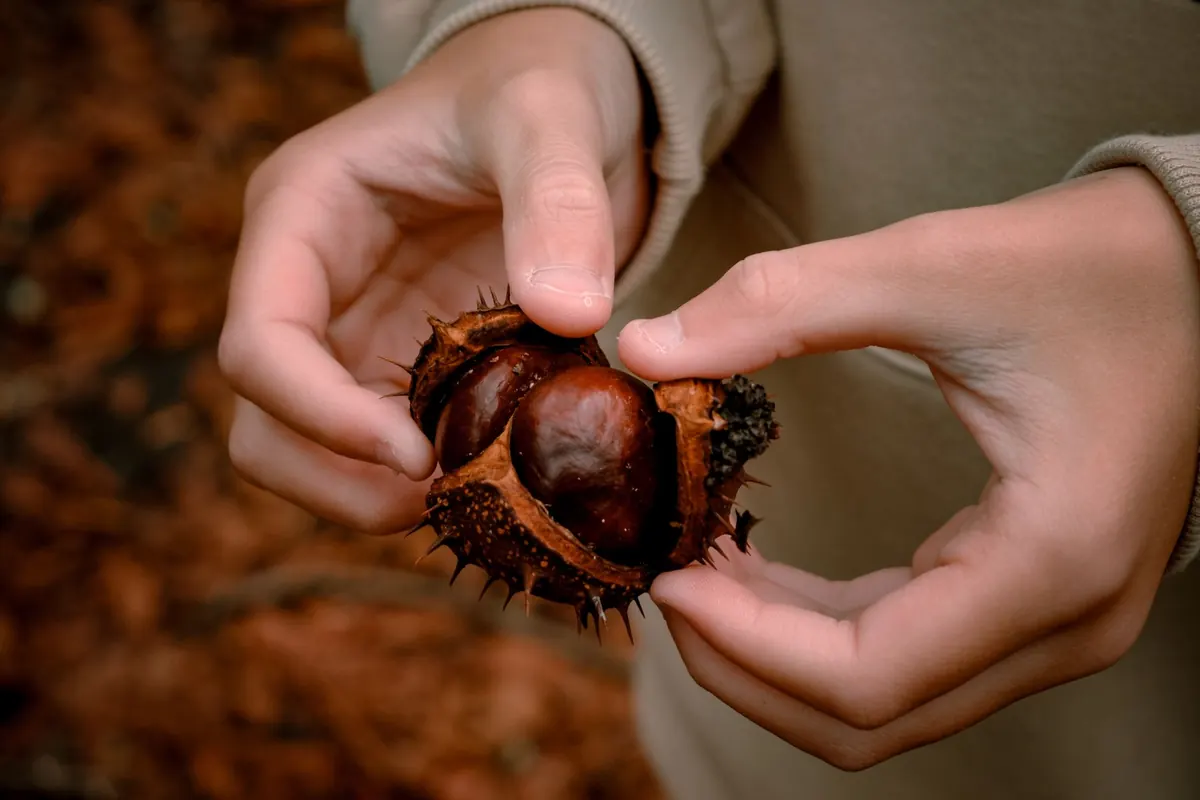
The first sound is a sharp crack. Then a gasp from the crowd, followed by a cheer or a groan. On a village green in Northamptonshire, two people are holding lengths of string, watching a horse chestnut swing and spin. It is the World Conker Championships, and for a few hours each October, this quiet corner of England becomes the unlikely centre of a very old game.
It is part village fete, part serious contest. The rules are simple enough for a child to follow, yet the pressure can make grown adults fumble. The event has been running since the 1960s, and it still decides who gets to call themselves world champion.
The championships began in 1965 in Ashton, Northamptonshire. According to the story that has been told for decades, a group of anglers were kept off the water by bad weather. They retreated to the Chequered Skipper pub, found some horse chestnuts, and started playing conkers. The idea stuck. A local competition grew into an annual event, and the World Conker Championships was born.
From the start, the event had a charitable purpose. It raises money for organisations that support blind and visually impaired people. That purpose has remained central, even as the competition has grown. What began as a rainy-day distraction now attracts competitors and spectators from across the UK and beyond.
The championships have been staged in and around Ashton for most of their history, and the format has stayed recognisably the same. Local volunteers, referees, and sponsors keep it running. The result is an event that feels both homemade and official, with a scoreboard, a loudspeaker, and a crowd that knows the rules well enough to argue about them.
The championships traditionally take place on the second Sunday of October. That timing is not accidental. Horse chestnuts are ready in early autumn, and the shells have begun to split. The weather is often damp, which adds a layer of difficulty: wet strings slip, mud slows the feet, and cold fingers make every strike less certain.
Competitors are divided into categories, usually including men's, women's, and junior competitions. The winners of the main events are crowned King Conker and Queen Conker. Those titles carry real weight in the conker world. There are also team prizes, fancy dress, and plenty of side stalls. Families arrive with picnics, dogs, and bags of spare conkers.
The atmosphere is friendly but focused. When a match reaches a deciding hit, the noise drops. All eyes follow the string. A clean strike can end a game in a second; a miss can leave a player exposed. That mix of luck and skill is what keeps people coming back.
If you have only played conkers in a school playground, the championship version will feel familiar. The essentials are the same. Each player has a conker threaded on a piece of string, usually about 30 centimetres long. The string is knotted at one end so the conker cannot slide off. The other end is held in the hand.
Matches follow a simple pattern:
In the championships, matches are played in a knockout format. The final is often a single, tense game. There are no time limits, but referees keep play moving. A match can last seconds or several minutes, depending on how well the conkers hold up.
Official rules exist to keep the contest fair. Conkers must be natural. They cannot be baked, soaked in vinegar, varnished, or otherwise artificially hardened. Players cannot stamp on an opponent's string, wrap the string around their hand, or push the conker with a finger. Referees can inspect conkers before a match and reject any that look suspicious.
String length is also checked. Too long, and a player gains an unfair swing; too short, and the game becomes cramped. The standard is a length that lets the conker hang freely but keeps the action close. If you are organising your own game, agree on the length before you start and keep a spare string handy.
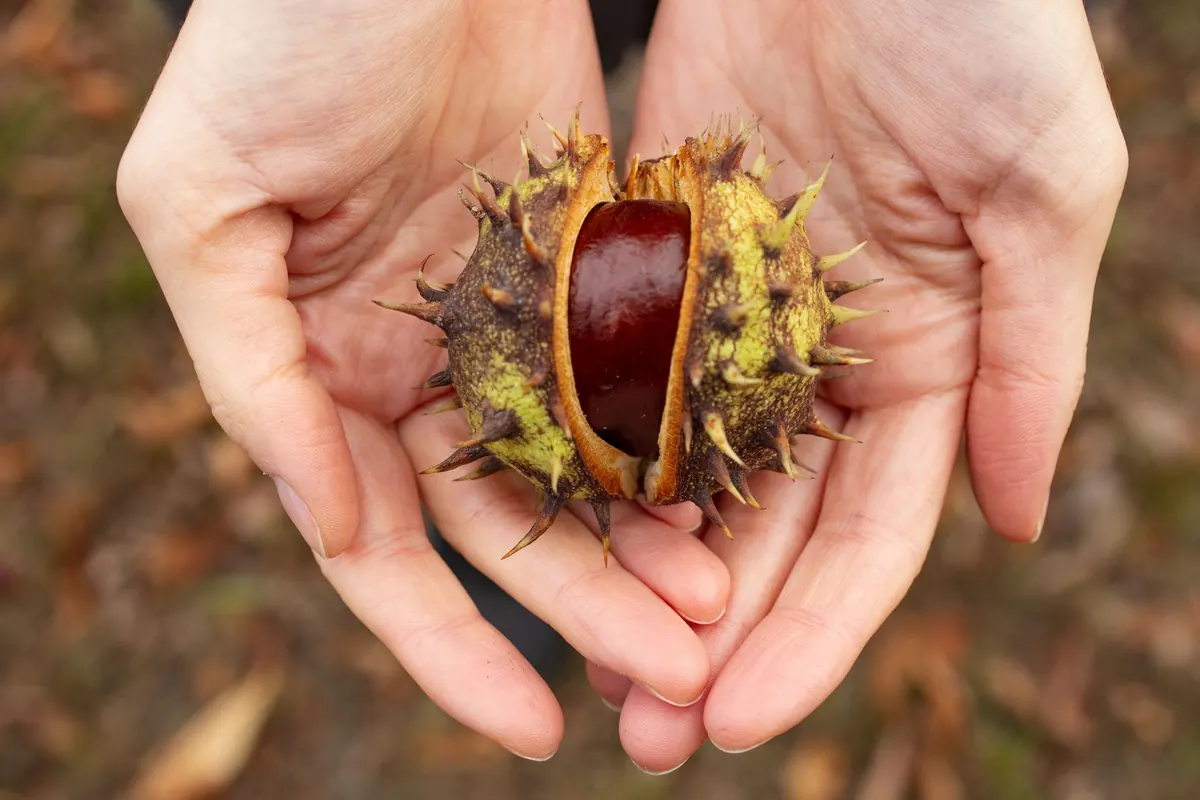
Not all horse chestnuts are equal. A good conker is firm, round, and smooth. Avoid any with cracks, soft spots, or tiny holes. A hole can mean a weevil has been inside, and that conker will crumble on impact. The best specimens are usually the ones that have fallen naturally and are still in their spiky cases.
Preparation matters, but the official championships keep it simple. For casual play, some people let conkers dry for a few days to harden. Others soak them in vinegar or bake them, but those methods are banned in the championships. If you want to play by the official spirit, use a natural conker and let skill decide the outcome.
The string is just as important. Use a strong, thin cord that will not stretch. Nylon or braided cord works well. Tie a firm knot at one end, and check it before every match. A slipping knot can cost you the game as surely as a weak conker.
Every championship has its stories. There are long rallies where both conkers survive hit after hit, and sudden endings when a favourite shatters on the first strike. There are broken strings, disputed calls, and the occasional conker that seems indestructible until it meets the right opponent. The crowd remembers these moments long after the winner lifts the trophy.
International competitors have added to the mix, with players travelling from across Europe and beyond. That international presence has helped the event grow without losing its village-hall charm. The charity fundraising continues, and the King Conker and Queen Conker titles remain the prize.
Weather is always a factor. A dry, bright October day makes for fast, clean strikes. A wet one turns the ground muddy and the strings slick. Either way, the competition goes on. Spectators dress for the conditions, and competitors learn to adapt. Some wear gloves; others go bare-handed for better feel. Fancy dress is optional but encouraged.
You do not need a Northamptonshire village green to run a conker tournament. A patch of grass, a few friends, and a bag of horse chestnuts are enough. Here is a practical way to set it up.
The rest is atmosphere. Make a scoreboard, bring a flask, and let the first crack of the day start the competition. Whether you are playing for a world title or just for bragging rights, the game is the same: hold your nerve, keep your string tight, and watch the conker.
Photo: Nathan J Hilton / Pexels
A record-setting conker at this year's championship has players rethinking grip, stance and strike. Here is how the...
New research on horse chestnut diseases shows how leaf miner, leaf blotch and bleeding canker affect conker size and...
How a bitter, inedible seed from an ornamental tree became the centre of autumn playground life — and how children...

All the conker news, games, and lore..
