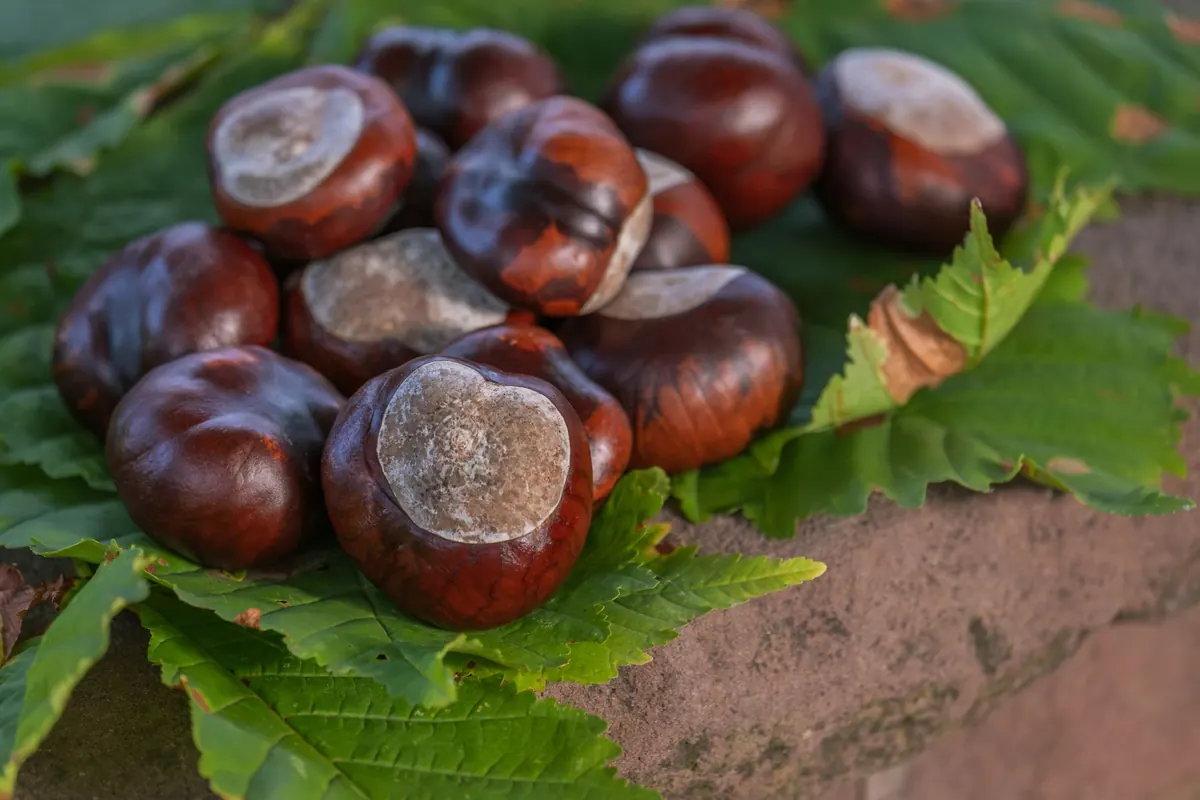
You have a conker that has been sitting in a tin since the first week of October, a string you have measured three times, and a tournament on Saturday morning. What separates a good day from a frustrating one is rarely the conker itself. It is the kit in your bag, the preparation you did two weeks ago, and whether you thought about the small things before the first cry of "ready, steady, conker."
Every tournament veteran carries more than they need, and almost all of them have been saved by it at least once. Pack for the day you lose a string, snap a conker in the first round and need to rethread in ninety seconds with cold hands.
Add water, a snack, and a folded waterproof to sit on. Grass in October is wet for hours after the rain stops, and standing around waiting for your heat is colder than playing.
A good conker feels heavier than it looks and has no hairline cracks around the scar. Shiny dark shells are admired but not automatically stronger; a pale conker that has cured well will often outlast a glossy one that dried too fast. Reject anything that rattles, anything with a soft patch, and anything you would describe as "probably fine."
Leave your candidates somewhere cool and dry for a few weeks, turning them every so often. Avoid radiators, windowsills in direct sun and airtight bags, which encourage mould. This slow drying firms the shell and is the least controversial preparation there is.
Conker players swear by vinegar soaks, gentle baking, varnish, and doing absolutely nothing at all. Some of these make shells brittle, and a brittle conker shatters rather than bounces. If you want to experiment, do it on a batch six weeks out and compare results in practice, not on the morning of the tournament with your only good conker.
Drill straight through the centre with a hand drill, going slowly so the shell does not crack around the exit hole, and clear the dust afterwards. Thread your string through, then tie a firm knot wide enough that it cannot pull back through. Sit the conker on the knot, not on your fingers. If you are drilling with a sharp tool, do it on a stable surface, take your time, and keep children supervised.
A quick word on safety: horse chestnuts are not edible, and they are best kept away from very young children and pets who might chew them. If a knock to the hand or knuckle concerns you on the day, get it looked at properly.
String choice matters more than most newcomers expect. A flat, non-stretch cotton lace is the traditional option and gives a predictable feel; thin nylon can cut into fingers and slip. Elastic is a bad idea because it changes the length of your swing every strike.
Prepare your spares at home, in advance, in good light. Cut them, knot them, and check them against the tournament's stated length so you are not measuring string on a muddy field. Keep one threaded spare in your pocket, not at the bottom of your bag.
You will be outside, standing still, and then suddenly swinging hard. Wear layers you can shed, sleeves that do not flap into your line of sight, and shoes with grip for wet grass. Tie back long hair, tuck in loose scarves and remove dangling jewellery. Cold hands lose grip, so bring thin gloves you can pull off in a second when your turn comes. Keep a spare pair of socks in the car; it sounds excessive until you need them.
Conker rules vary between competitions, and the variation is usually the thing that catches people out. Length of string, whether a stamp is permitted, how far down the string you must hold, how many swings each player gets, and what counts as a foul can all differ. Read the organiser's rules, and if anything is unclear, ask before the first round rather than arguing during it.
Common points worth confirming:
Plenty of players have a lucky conker, and there is no harm in it. Just do not let it become an excuse to skip practice. The most genuinely lucky conker is the one you have swung a hundred times in the garden and know the weight of.
A simple routine steadies the hand: plant your feet, take one breath, fix your eyes on the hanging conker rather than your opponent's arm, and swing through the target instead of at it. Practice against a conker dangling from a washing line, then against a partner. Learn to aim, not to hit as hard as possible.
Nerves are normal. A controlled swing beats a wild one almost every time, so build a rhythm you can repeat when your hands are cold and a crowd is watching.
Do the boring things while you are warm and calm, then you can enjoy the day itself.
Then relax. Preparation is what you can control; the bounce of a conker is not. Arrive early, shake hands, play your swing rather than your opponent's, and you will leave with a story worth telling whether or not you lift the trophy.
Photo: Ilo Frey / Pexels
A record-setting conker at this year's championship has players rethinking grip, stance and strike. Here is how the...
New research on horse chestnut diseases shows how leaf miner, leaf blotch and bleeding canker affect conker size and...

How a bitter, inedible seed from an ornamental tree became the centre of autumn playground life — and how children...

All the conker news, games, and lore..
